A Story of Professional Learning
After co-teaching the first part of the lesson, we gathered to discuss what we noticed about how students engaged with the phenomenon and with one another.
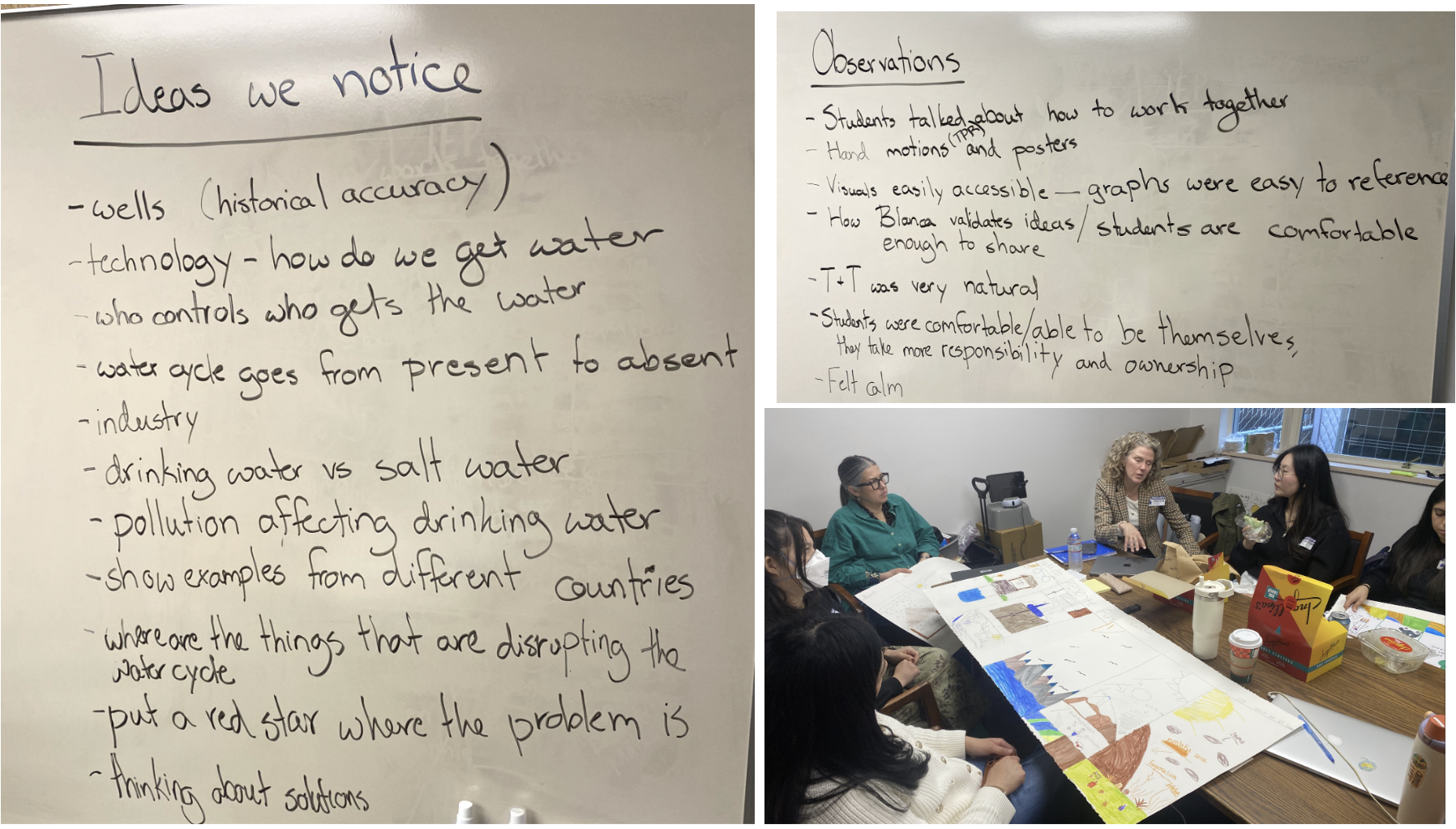
- Host Maestra Blanca’s learning
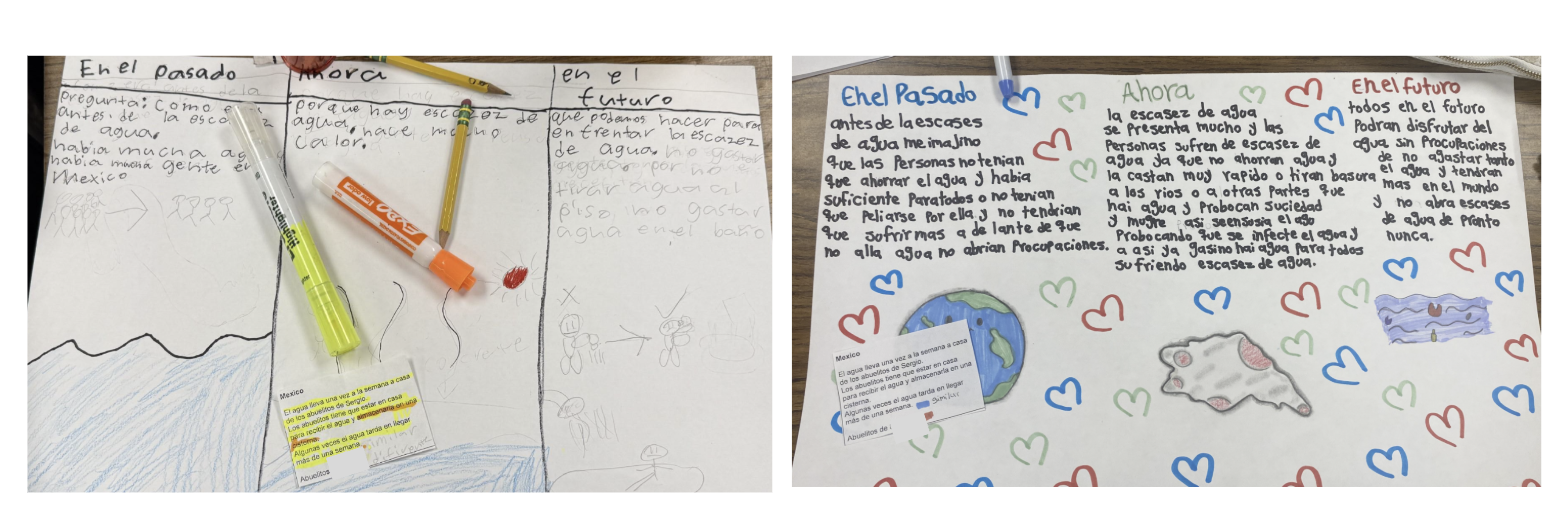
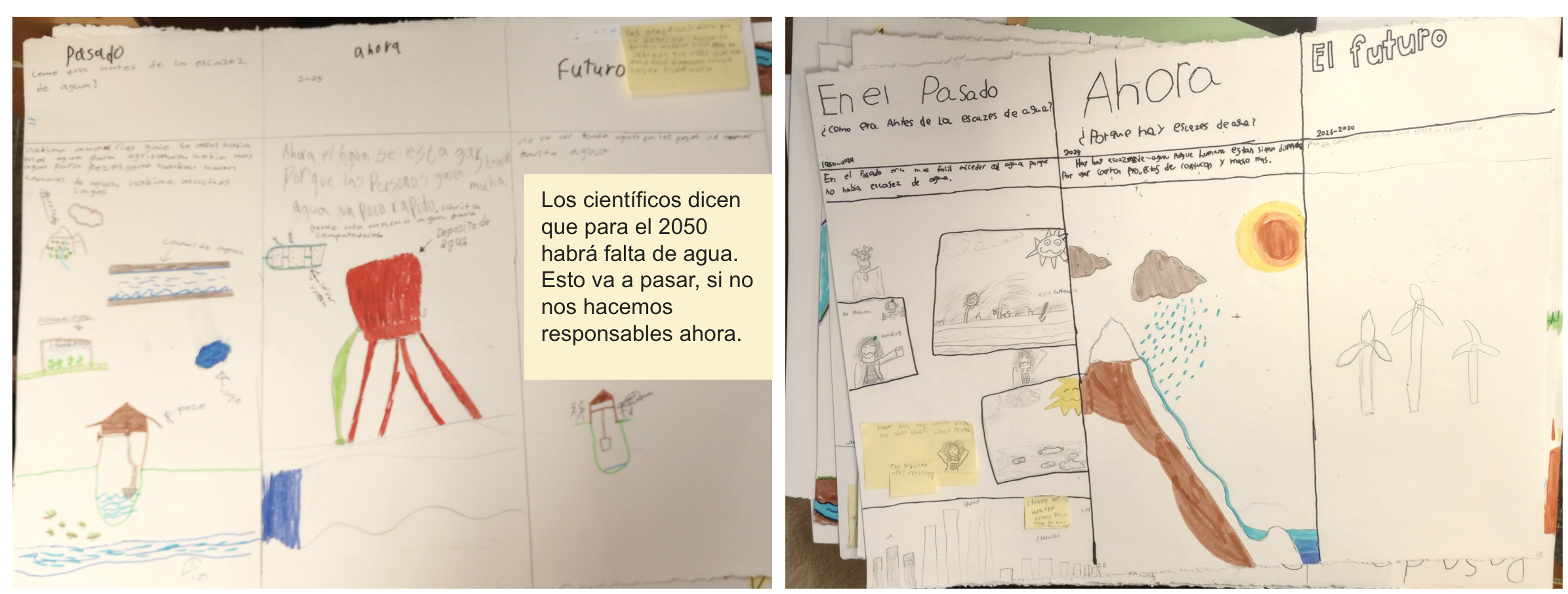
“I was thinking about the joy during the studio day. Because joy can also be about feeling proud. Content, because you feel proud when you did a good job and gave it your best. The kids felt satisfied, and when they made the posters of what water scarcity would look like—water scarcity in three different time periods—they were incredibly proud. All of them wanted to take the posters home, and were like, “What if I don’t get to!” And they suggested, what if one of us takes it for a month, and then the next person for the next month, and then the next person for a month. And I was like ‘Okay’. That was total joy.”
Other teachers participating in Blanca’s Studio Day considered how to shift their own instruction.
- Teacher Moira’s Home Connections
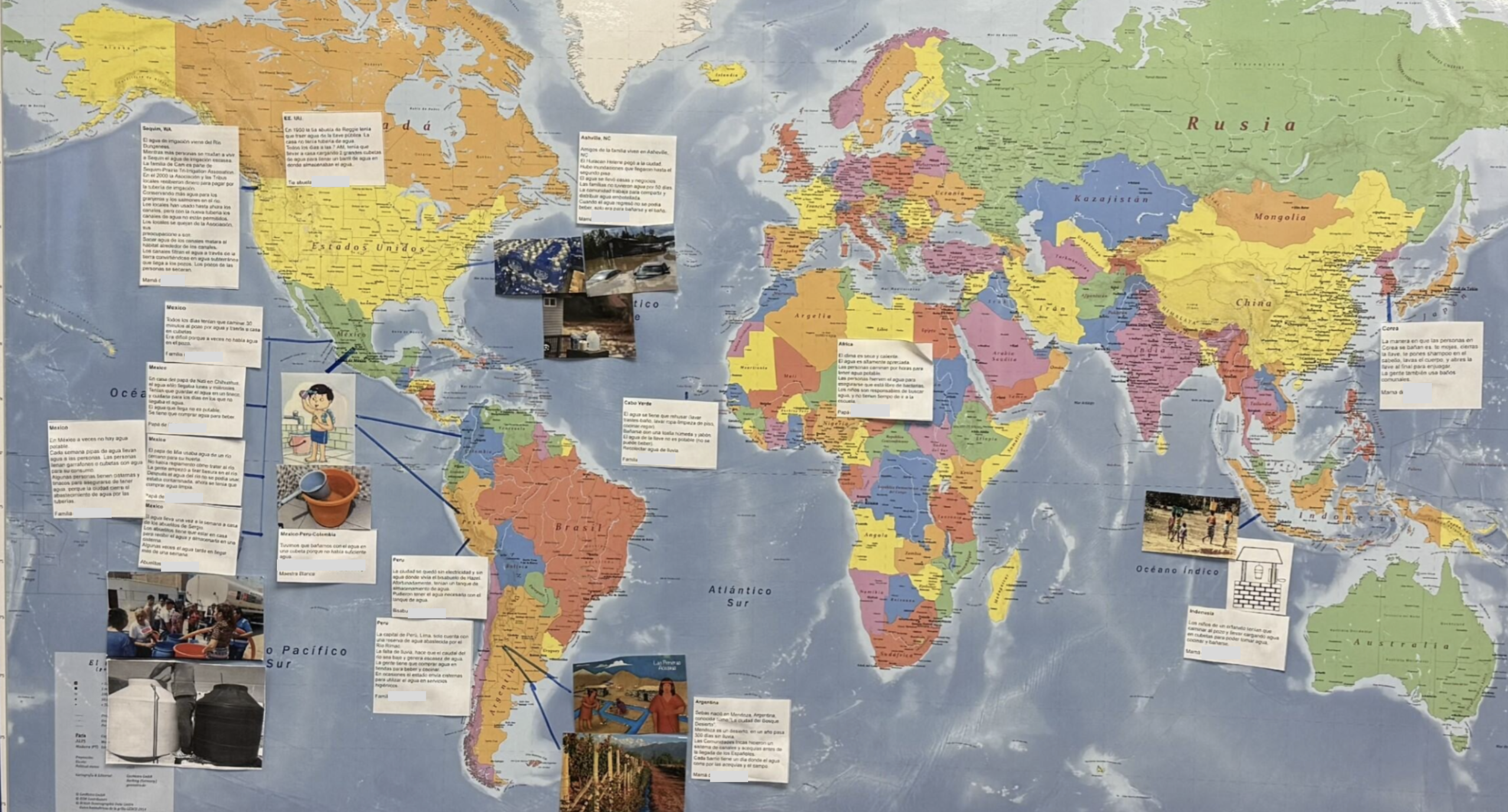
After attending Blanca’s studio, teacher Moira was inspired by the home connections Blanca’s lessons built on. So, she sent home letters to families asking for their personal connections to landforms and why it’s meaningful to them. Teacher Moira plans to use these home connections to do a mini-study later in the unit, and students can use those stories to add to their initial landform models.
- Teacher Iman’s Restructured Unit Planning, Deeper Learning, and Students as Scientists
Since attending Blanca’s studio, I have practiced focusing on a section of our unit more in-depth rather than trying to speed through several sections. I think this offers an opportunity for deeper learning and observing. I would like to continue incorporating opportunities for students to see themselves as scientists and to incorporate more family engagement.
- Teacher Nancy on Expanding Science Lessons and Showing the Scale of Impacts
After attending Blanca’s studio, teacher Nancy kept thinking about how to help her students understand the scale of the central issue (e.g., the amount of water used up by data centers). During the studio, teacher Nancy noticed that when students were thinking about the dam (a water supply), only one student had seen a dam in person. It was thus difficult for students to picture just how big dams are. So, teacher Nancy is thinking about taking her science class outside (for her unit on salmon and dam removals in the PNW) next year, so students can compare a dam to the size of a building for scale.
- Teacher Christina’s Adaptation of Just-in-time Mini Lessons on Environmental Impacts
After seeing Blanca’s lesson on water pollution and how she added the mini lesson about how industry and technology affected a large part of it, I brought that knowledge into my classroom as well. When my classroom was learning about the geography of the world, the conversation of latitude/ longitude and the association with climate came up. In that specific lesson, I included a mini lesson about climate change and included the information about industry, consumerism, and technology impact that was shared in Blanca’s classroom. Especially since I teach in an area where many of the students’ parents work in the tech industry, it brought up great conversation and input. The students then chimed in with their own experiences with climate change and how they have been noticing big weather patterns throughout the past years
- Teacher Christina’s Adaptation of Visual and Language Support for Key Concepts
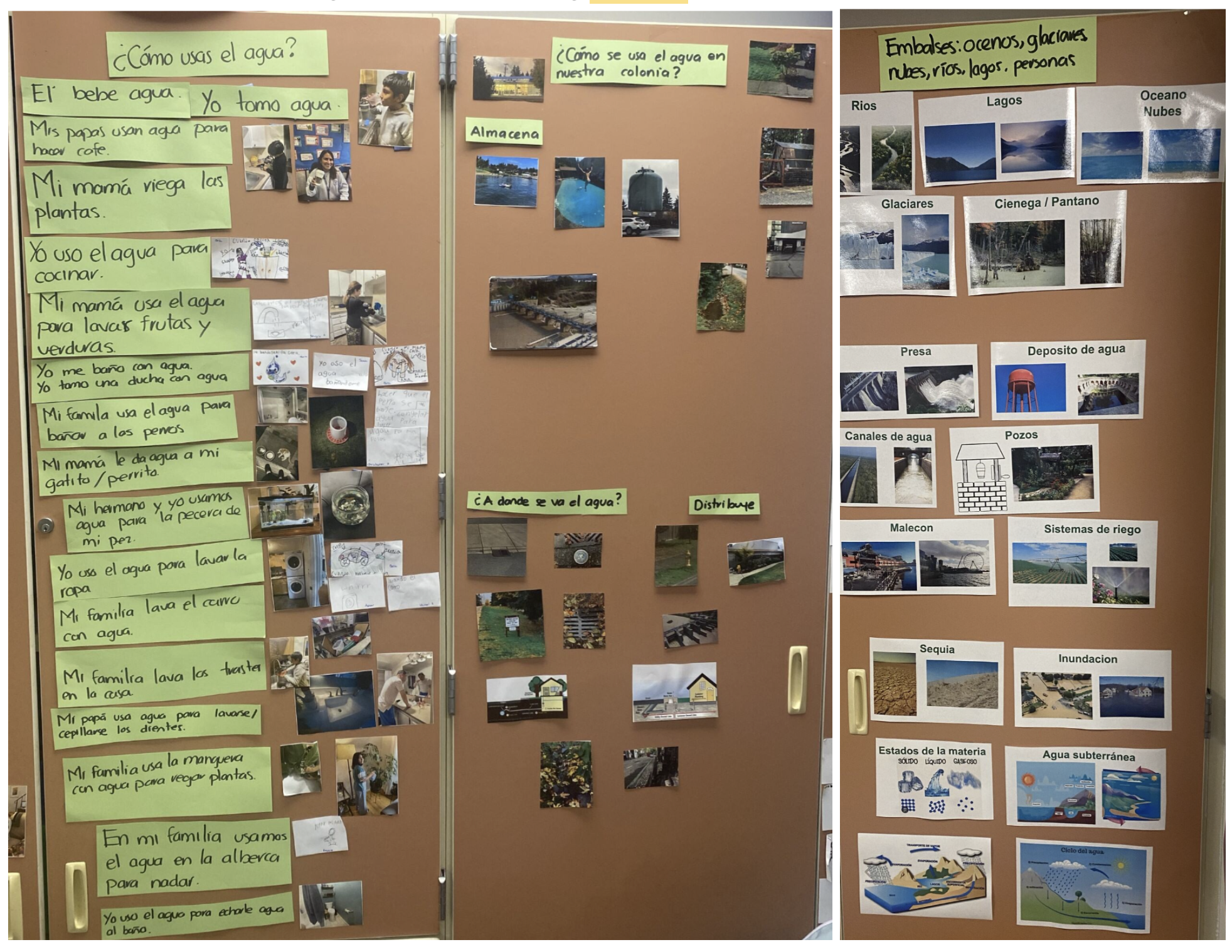
When I was in Blanca’s classroom, I could clearly tell how useful the wall space posted with science concepts was for her students. The students I was working with were constantly referring back to the posters to look up the correct spelling and definition for their scientific explanations. This year, I have the largest number of emerging ML students, and adding visuals that support language has been very helpful to add. Also, using my bulletin board space and continuously updating it to match what I am teaching has been helpful. The curriculum I use does not include pictures with its vocabulary words. Therefore, even taking the extra time to add them myself has been helpful not just for my ML students but all of my students. It is also a resource I can continuously use next year as well.
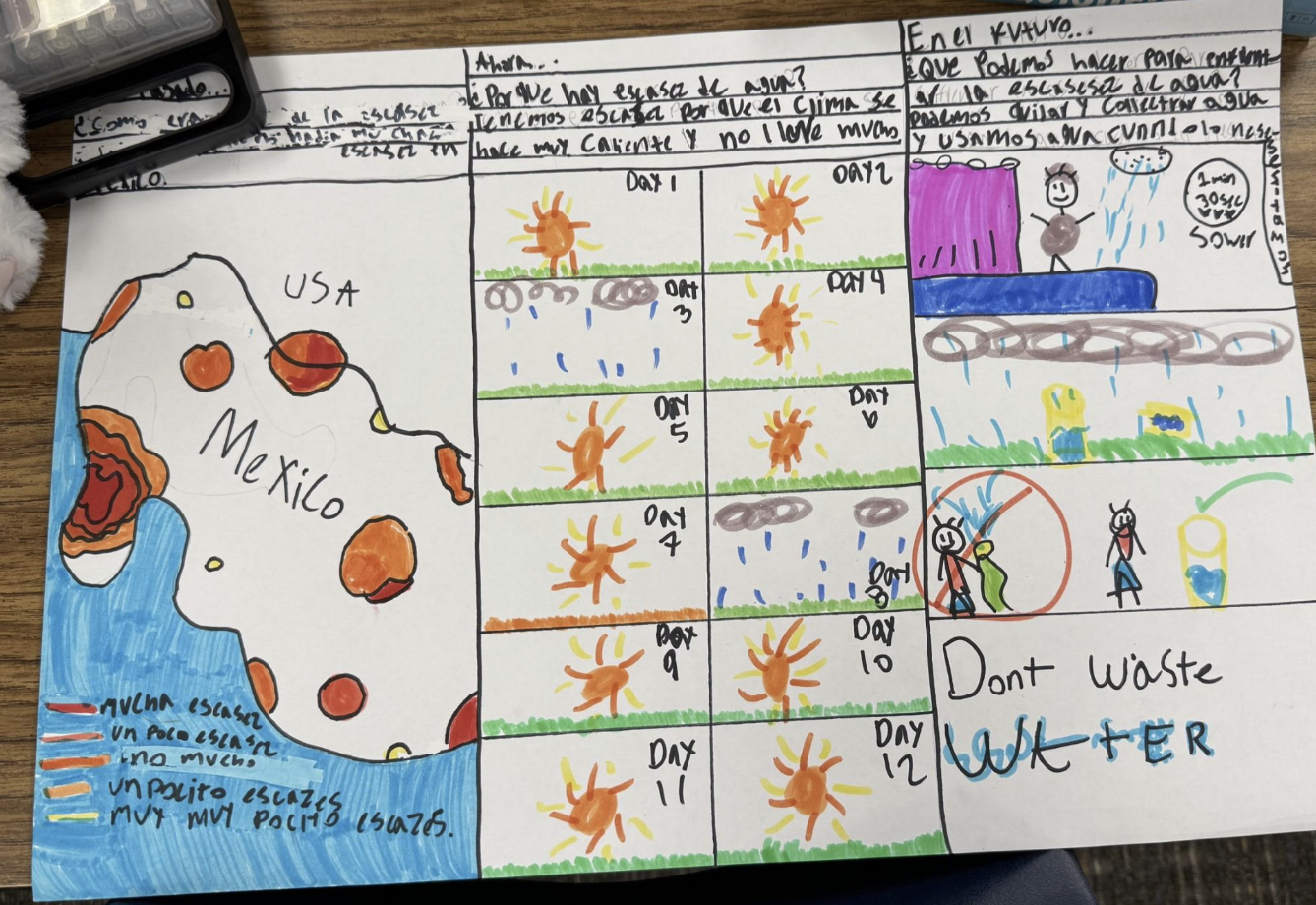
 Maestra Blanca teaches a 5th-grade dual-language Spanish class. Science in her classroom is deeply connected to language and family experiences. In November 2025, six PASTEL teachers and some researchers joined teacher Blanca in her classroom for a Studio Day, a day of job-embedded professional development in which teachers, coaches, and researchers engage in multiple rounds of co-planning, co-teaching, and co-debriefing and real-time feedback.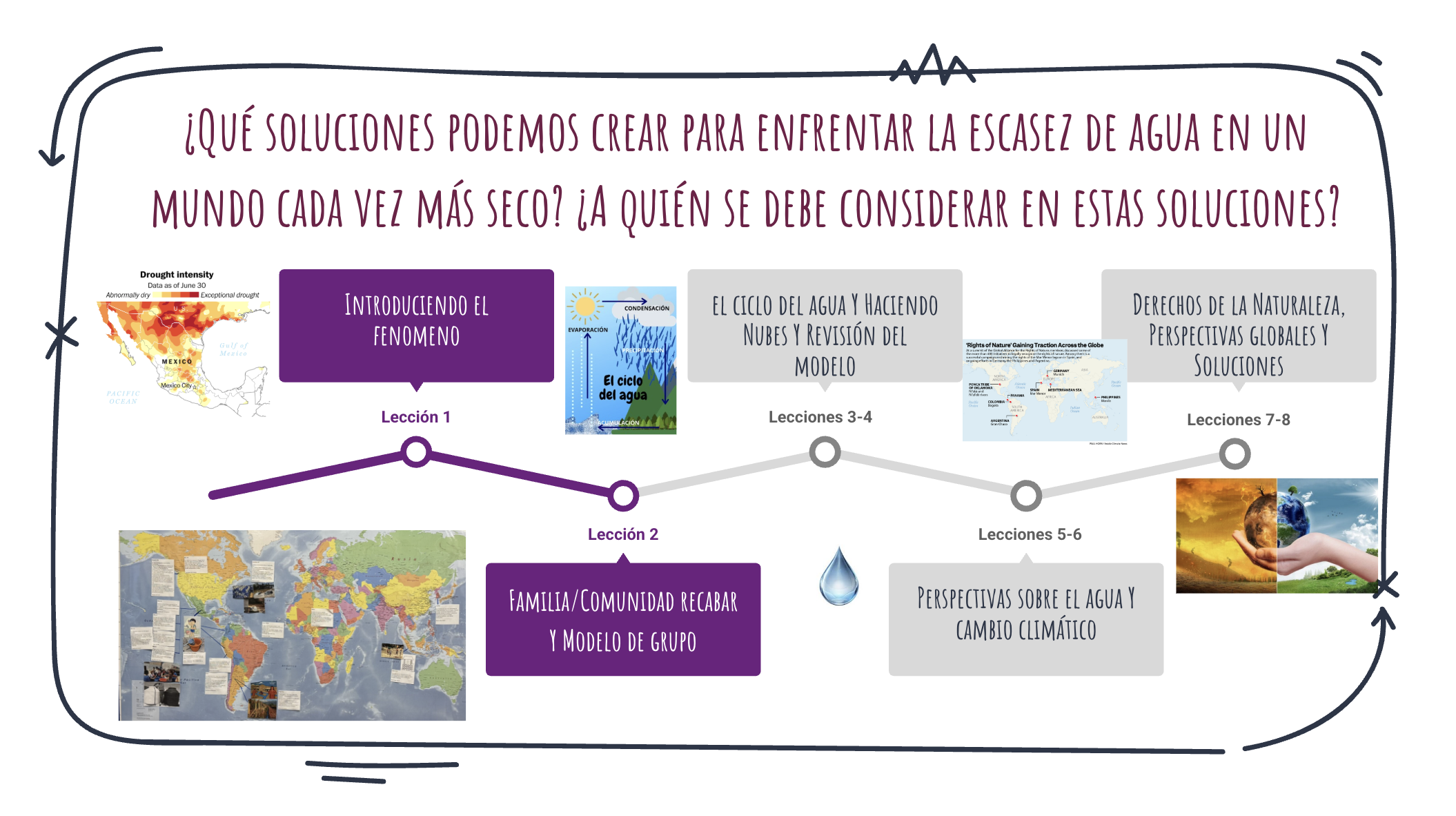




 This site is primarily funded by the National Science Foundation (NSF) through Award #1907471 and #1315995